Probiotic-Rich Yogurt Self-Massage: A Theoretical Supportive Approach for Long COVID and Post-Vaccine Recovery – Grounded in Microbiome Science and Traditional Wisdom
By SchaOn Blodgett, CCP, BTAT – Psinergy Natural Health & Holistic Wellness
Research increasingly confirms that SARS-CoV-2 and related spike protein exposure disrupt the gut microbiome in lasting ways. The skin, lungs, oral and nasal cavities, and vaginal tract each host distinct microbial communities, all potentially vulnerable to the same disruptions and dysregulation driving gut dysbiosis. This raises a practical question: if we're thinking about microbiome restoration, why limit our approach to what we swallow? Why not also look at how these beneficial microbiomes were initially established?
While gut dysbiosis has received the most research attention, COVID-19 and Long COVID are also associated with notable skin manifestations—rashes, urticaria, persistent dryness, and inflammatory conditions—suggesting the skin microbiome may not be unaffected. The skin hosts its own diverse microbial ecosystem that plays active roles in barrier integrity, local immune regulation, and protection against pathogenic colonization. Systemic inflammation, immune dysregulation, and the shifts in circulating cytokines documented in Long COVID all create conditions that can alter the skin's microbial balance, barrier function, and sebaceous environment. Though research specifically characterizing skin microbiome changes in Long COVID remains limited compared to gut studies, the indirect evidence through skin symptom prevalence and the known gut-skin axis relationship makes it a reasonable area of consideration.
The disruption is not limited to gut and skin. SARS-CoV-2 enters and replicates across mucosal surfaces, and studies have documented shifts in the oral, nasal, and respiratory tract microbiomes following infection. Oral dysbiosis—including reductions in commensal anaerobes and increases in opportunistic species—has been observed in both acute COVID-19 and in some Long COVID patients, with potential links to systemic inflammation via the oral-gut axis. Nasal and upper respiratory microbiome changes may contribute to the persistent sinus congestion, post-nasal symptoms, and breathing irregularities commonly reported in Long COVID. Taken together, this picture of multi-site microbiome disruption strengthens the rationale for approaches that address not just the gut, but the full ecosystem of microbial communities the body depends on.
The disruption of microbial communities during the COVID-19 era wasn't limited to what the virus itself did inside the body. The widespread and often indiscriminate use of aerosolized disinfectants, antimicrobial surface sprays, and heavily sanitizing hand products throughout 2020–2022 created an unprecedented level of environmental antimicrobial exposure for much of the global population. Inhaled disinfectant aerosols in particular may have affected nasal, sinus, and upper respiratory microbiome communities directly. Combined with reduced social contact, masking, and altered outdoor exposure—all of which influence the microbial diversity we encounter and absorb daily—many people emerged from the pandemic years with microbiomes that had been stressed from multiple directions simultaneously: from within by the virus and immune response, and from without by the sanitizing environment surrounding them.
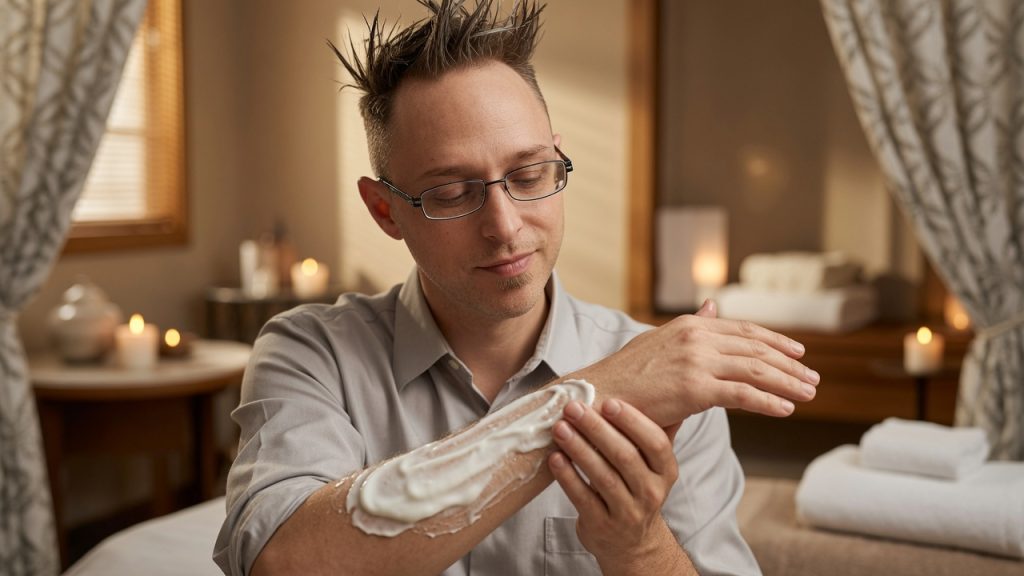
Recent personal experimentation with a specially prepared 36-hour fermented probiotic yogurt, applied in an Ayurvedic-inspired Abhyanga (self-massage) style (though closer related to Takra Dhara massage), has yielded intriguing observations: a noticeable cooling sensation that seemed to draw excess heat from the body, smoother skin texture, release of previously unnoticed muscle tension, easier and smoother breathing, heightened mental clarity with a “more awake” brain, and an overall sense of well-being bordering on invigorated energy. Given the documented shifts in nasal and sinus microbiome composition following SARS-CoV-2 infection—and the role nasal passages play in local immune defense and mucosal integrity—targeted application to edges of the nasal passage area was also included. This too felt supportive and well-tolerated, with noticeable improvements in sinus comfort and breathing ease.
These experiences prompt a thoughtful exploration: Could this simple, accessible practice—combining potent live probiotics from long-fermented yogurt with traditional massage—offer meaningful supportive benefits for individuals navigating Long COVID (also known as post-acute sequelae of SARS-CoV-2 or PASC) and post-vaccine syndrome (PVS) related challenges? While this remains an emerging theory rather than established treatment, the underlying rationale draws from growing scientific understanding of microbiome disruption, the gut-skin axis, and the multi-layered benefits of both fermented dairy probiotics and Abhyanga, as well as the insights of the initial “seeding” of these beneficial bacteria at birth.
Microbiome Disruption in Long COVID and Related Conditions
SARS-CoV-2 infection and, in some research contexts, aspects of spike protein exposure (from infection or certain vaccine platforms) have been linked to significant alterations in the gut microbiome. Reviews and studies consistently describe reduced microbial diversity, depletion of beneficial short-chain fatty acid (SCFA)-producing bacteria (such as Faecalibacterium, Bifidobacterium, and butyrate producers), and increases in opportunistic or pro-inflammatory species. [1]
This dysbiosis can persist well beyond acute illness and correlates with ongoing symptoms through mechanisms including impaired gut barrier integrity (“leaky gut”), reduced SCFA production (which supports anti-inflammation and barrier function), microbial translocation, tryptophan metabolism shifts, and chronic low-grade systemic inflammation. [2]
Similar patterns of microbiome shifts have been observed in some studies following certain COVID-19 vaccinations, with changes in diversity and composition noted post-mRNA or inactivated virus doses. Hypotheses suggest that synthetic spike protein or immune responses may influence gut epithelial cells and microbial balance in susceptible individuals. [3]
Long COVID and related persistent symptoms often include fatigue, cognitive issues (“brain fog”), respiratory discomfort, gastrointestinal problems, skin manifestations (rashes, dryness, inflammation), muscle/joint aches, and autonomic dysregulation. The gut-skin axis provides a direct bridge: gut dysbiosis can drive or exacerbate skin barrier dysfunction and inflammatory skin conditions via circulating cytokines, immune modulation, and reduced SCFAs. [4]
Probiotic and synbiotic interventions are being actively researched as adjunctive supports. A notable randomized, double-blind, placebo-controlled trial (RECOVERY) found that a synbiotic preparation (SIM01, containing specific Bifidobacterium strains and prebiotic fibers) significantly improved multiple Long COVID symptoms—including fatigue, memory/concentration issues, and gastrointestinal upset—over six months, alongside reshaping the gut microbiome. [5]
Standard store-bought yogurt is typically fermented for only a few hours. Extended 36-hour fermentation at lower temperatures (~100°F / 37–38°C), often with prebiotic fibers like inulin, allows targeted amplification of specific beneficial strains—particularly Lactobacillus reuteri when using appropriate starter cultures. This results in dramatically higher live colony-forming units (CFUs) and a richer profile of metabolites and postbiotics compared to conventional yogurt. [6]
Why a 36-Hour L. reuteri-Rich Probiotic Yogurt?
L. reuteri strains have been studied—primarily in animal models—for anti-inflammatory properties, gut barrier support, and potential influences on oxytocin pathways, which are associated with relaxation, tissue recovery, mood, and a subjective sense of vitality or “glow.” [7] The preparation used in this initial trial incorporated high-quality multi-strain probiotics alongside specific strains of L. reuteri and oral-care strains, plus generous inulin—creating a diverse, potent fermented food.
When consumed orally, such preparations support systemic microbiome restoration. In Ayurveda we learn that the skin also “eats” what is on it. We also know the initial “seeding” of these beneficial bacteria is on the skin via the vaginal birthing process. So, when applied topically, they deliver live cultures, lactic acid (for gentle pH balancing and mild exfoliation), and moisturizing fats directly to the skin.
The Rationale for Abhyanga-Style Topical Application
Abhyanga, the traditional Ayurvedic practice of warm oil self-massage, promotes circulation, lymphatic flow, dosha balance (particularly cooling and grounding effects beneficial in inflammatory or “heat”-related states), and marma point stimulation. Combining it with probiotic yogurt extends these benefits:
• Direct skin microbiome support: Topical probiotics can compete with pathogenic overgrowth (e.g., Staphylococcus aureus in inflamed skin), produce antimicrobial metabolites, modulate local inflammation, and improve barrier function. Clinical proof-of-concept studies on Lactobacillus reuteri DSM 17938 as a topical ingredient in adults with atopic dermatitis showed good tolerability and improvements in SCORAD (Scoring Atopic Dermatitis) indices. [8]
• Cooling and soothing effects: The fermented acidity and application provide an immediate cooling sensation—aligning with user reports of “pulling excess heat”—which may help with inflammatory discomfort common in Long COVID/PVS.
• Enhanced delivery and synergy with massage: The physical act of massage improves local absorption of beneficial compounds, promotes muscle relaxation (user-noted tension release), supports easier breathing (via parasympathetic activation and reduced systemic tension), and may enhance overall well-being through mechanotransduction and mind-body effects.
• Gut-skin and systemic axis reinforcement: Addressing the skin directly complements oral microbiome work, potentially amplifying benefits along the gut-skin-brain axes. Early-life microbiome “seeding” (e.g., during vaginal birth, where maternal bacteria coat the newborn’s skin and support immune programming) offers a conceptual parallel for adult re-seeding or support in dysbiotic states. [9]
User observations of smoother skin, muscle release, easier breathing, mental clarity, improvements in sinus inflammation, and overall uplift are consistent with reported effects of potent probiotics, SCFA support, and anti-inflammatory actions—though individual responses vary and placebo or expectation effects cannot be ruled out in self-experimentation.
Practical Considerations for Exploration
A typical preparation involves organic half-and-half and/or heavy cream-based dairy (or suitable alternatives), crushed multi-strain probiotic and L. reuteri-containing capsules or tablets, inulin or prebiotic fiber, and 36-hour incubation at controlled low temperature. The resulting thick, tangy yogurt can be used plain or blended lightly with compatible oils for glide during massage.
Application: Warm gently to body temperature, apply to clean skin with long strokes toward the heart (full-body Abhyanga style) or targeted areas, and allow absorption for 10 to 20 minutes and rinse without soap after a period (you don’t want to destroy the beneficial bacteria you just seeded). Frequency might start at 2–3 times per week. Oral consumption of the same preparation provides complementary internal support.
This approach is low-cost, customizable, and aligns with holistic principles of supporting the body’s innate intelligence through food-based ferments and traditional movement practices.
Important Caveats and Context
This is a theoretical and experiential framework, not a proven therapy or medical recommendation. Research into microbiome-targeted interventions for Long COVID and post-vaccine symptoms is promising but still evolving—probiotics show adjunctive potential in some trials, yet results are heterogeneous and more large-scale studies are needed.
Individuals with Long COVID, PVS, or complex health histories should work with qualified healthcare providers, including natural health providers. Patch testing is essential for those with sensitive skin, as is attention to hygiene with live cultures. This practice is intended as a supportive, adjunctive exploration alongside evidence-based care, not a replacement.
Conclusion
The intersection of amplified probiotic ferments, traditional Abhyanga massage, and the gut-skin-microbiome axis offers a compelling, accessible avenue worth thoughtful consideration for supporting recovery and resilience. The cooling, soothing, and revitalizing effects observed align with both emerging science on microbiome restoration and ancient wisdom of self-care practices.
As with many natural approaches, personal experimentation combined with ongoing research may illuminate new paths forward. Those interested in microbiome health, Long COVID support, or integrative wellness are encouraged to explore responsibly and share observations with practitioners.
References
- Chronic inflammation in post-acute sequelae of COVID-19 modulates gut microbiome: a review of literature on COVID-19 sequelae and gut dysbiosis. Molecular Medicine. 2025. https://link.springer.com/article/10.1186/s10020-024-00986-6
- Microbiome Dysbiosis in SARS-CoV-2 Infection: Implication for Pathophysiology and Management Strategies of COVID-19. Frontiers in Cellular and Infection Microbiology. 2025. https://www.frontiersin.org/journals/cellular-and-infection-microbiology/articles/10.3389/fcimb.2025.1537456/full
- Could the Spike Protein Derived from mRNA Vaccines Negatively Impact Beneficial Bacteria in the Gut? COVID. 2022. https://www.mdpi.com/2673-8112/4/9/97
- Post-COVID Gut Dysbiosis and Its Role in Persistent Skin Disorders: A Gut–Skin Axis Perspective. COVID. 2025. https://www.mdpi.com/2673-8112/5/4/48
- A synbiotic preparation (SIM01) for post-acute COVID-19 syndrome in Hong Kong (RECOVERY): a randomised, double-blind, placebo-controlled trial. The Lancet Infectious Diseases. 2023. https://www.thelancet.com/journals/laninf/article/PIIS1473-3099(23)00685-0/fulltext
- How to make L. reuteri yogurt (Dr. William Davis protocol). https://drdavisinfinitehealth.com/2024/09/how-to-make-l-reuteri-yogurt/
- Erdman SE, Poutahidis T. "Microbes and Oxytocin: Benefits for Host Physiology and Behavior." Progress in Molecular Biology and Translational Science. 2016. https://www.sciencedirect.com/science/article/abs/pii/S0074774216301180
- Lactobacillus reuteri DSM 17938 as a Novel Topical Cosmetic Ingredient: A Proof of Concept Clinical Study in Adults with Atopic Dermatitis. Microorganisms. 2020. https://pubmed.ncbi.nlm.nih.gov/32664536/
- Vaginal bacteria turn newborn skin into a beneficial ‘bioreactor’. Science. 2026 (reporting on Cell Host & Microbe study). https://www.science.org/content/article/vaginal-bacteria-turn-newborn-skin-beneficial-bioreactor
Disclaimer: This article is for educational and informational purposes only. It does not constitute medical advice. Always consult qualified healthcare professionals before starting new practices, especially with complex conditions like Long COVID or post-vaccine symptoms. Individual results vary.
Awarded Top 100 Holistic Health Blogs
Order Herbs & Supplements